
Why Global Investors Are Betting on India’s Long-Term Growth
In global finance, very few voices carry as much influence as the CEO of the world’s largest asset manager.
The Global Investment Reality
To understand why India stands out, we must first look at the current global economic landscape.
Most major economies today face structural limitations.
Some countries have rapidly aging populations.
Others are burdened with high debt levels.
Many depend heavily on exports or commodities.
Very few economies have the structural ingredients required for multi-decade economic expansion.
Global Economic Comparison
-
United States: 2–3% growth, population 330M, median age 38 — mature economy.
-
Europe: 1–2% growth, population 450M, median age 44 — aging population.
-
China: 4–5% growth, population 1.4B, median age 39 — demographic slowdown.
-
Japan: ~1% growth, population 125M, median age 49 — rapidly aging society.
-
GCC Economies: 2–4% growth, population ~60M — oil-dependent economies.
-
India: 7–10% growth, population 1.4B, median age ~28 — strong long-term expansion potential.
India: The World’s Largest Demographic Opportunity
Economies do not grow, people grow economies.
India’s median age is around 28 years, making it one of the youngest major economies in the world.
Compare this with:
-
Europe – ~44 years
-
China – ~39 years
-
Japan – ~49 years
This means India will enjoy one of the largest working-age populations globally for the next three decades.
A young population drives:
-
consumption growth
-
housing demand
-
entrepreneurship
-
productivity expansion
India’s demographic dividend may continue until 2050, while most developed economies have already lost this advantage.
The Rise of the Indian Consumer Economy
India is not only a population giant.
It is also rapidly becoming one of the world’s largest consumer markets.
As incomes rise, hundreds of millions of Indians are entering the middle class, creating massive demand across industries.
Key sectors benefiting from this growth include:
-
financial services
-
travel and tourism
-
healthcare
-
education
-
digital services
-
housing and infrastructure
Unlike export-driven economies, India’s growth is increasingly powered by domestic consumption.
This creates long-term economic resilience.
India’s Digital Infrastructure Revolution
One of the most powerful drivers of India’s future is its digital public infrastructure.
India has built a digital ecosystem that many advanced economies are only beginning to develop.
Two major pillars include:
-
Unified Payments Interface
-
Aadhaar
Together they enable:
-
financial inclusion for hundreds of millions
-
instant digital payments
-
digital entrepreneurship
-
efficient government services
India now processes more real-time digital payments than any country in the world, dramatically improving economic efficiency.
Global Manufacturing Is Shifting Toward India
For decades, global manufacturing was heavily concentrated in China.
However, geopolitical tensions and supply chain risks have forced multinational companies to diversify production.
This strategy is widely known as China + 1.
India is emerging as one of the largest beneficiaries of this global shift.
Government initiatives such as:
-
Production Linked Incentive (PLI) programs
-
infrastructure modernization
-
logistics improvements
are accelerating India’s development as a global manufacturing hub.
Industries growing rapidly include:
-
electronics manufacturing
-
electric vehicles
-
pharmaceuticals
-
semiconductors
-
renewable energy.
India’s Capital Markets Are Expanding Rapidly
Another reason global investors are watching India closely is the rapid development of its financial markets.
India’s major stock indices include:
-
NIFTY 50
-
BSE Sensex
But the real transformation is happening beneath the surface.
India now has millions of new retail investors entering financial markets every year through:
-
SIP investments
-
mutual funds
-
pension funds
-
digital brokerage platforms
This growing domestic capital base increases long-term market stability.
The Power of Long-Term Compounding
The real magic of investing happens through compounding over long periods of time.
Historically, economies growing at 7–10% annually often generate equity returns of 12–16% over long horizons.
For example:
-
₹1 crore invested
-
growing at 14% annually
can become nearly ₹27 crore in 25 years.
This is why successful investors focus on structural economic trends rather than short-term market volatility.
India offers exactly that.
Why Global Capital Is Watching India
When international investors look for long-term opportunities, they search for economies where four powerful forces align:
-
Population scale
-
Demographic youth
-
Strong economic growth
-
Expanding capital markets
India uniquely combines all four structural advantages.
Few countries in modern economic history have possessed these ingredients simultaneously.
A Lesson for Entrepreneurs and Investors
One of the biggest mistakes investors make is focusing only on today’s market conditions.
Great wealth is rarely created that way.
It is created by understanding where the world is heading over the next 20–30 years — and positioning yourself there early.
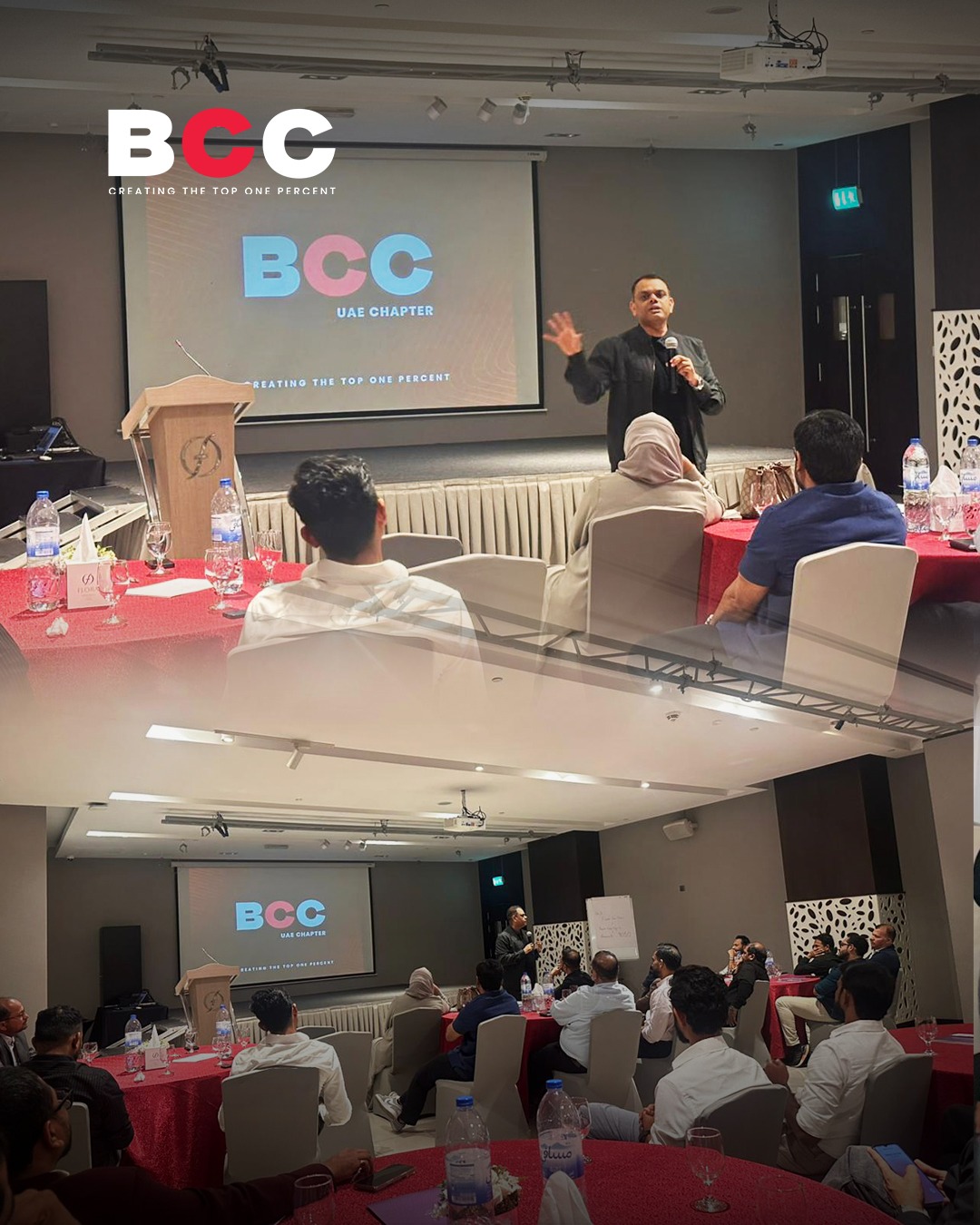
A Perspective from Business Coaching Club (BCC)
At Business Coaching Club (BCC), we often remind entrepreneurs:
Wealth is not built by reacting to the market.
It is built by aligning with the long-term direction of the global economy.
If the structural forces shaping the world economy continue as they are today, India may become one of the greatest wealth-creation markets of the 21st century.
Business Coaching Club (BCC)
Building financially intelligent entrepreneurs and long-term wealth creators.